
★ 5.0 · 125 Google reviews
HomeTreatmentsKeratoconus Treatment
NeoVision Eye Hospital · Indore

Stabilising the cornea that bulges out of shape.

Dr. Shruti Kochar Maru — MS · DNB · FICO · FCRS · FAICO · MRCS (Edinburgh)

Keratoconus progressively steepens the cornea, distorting young vision. Caught early, cross-linking can halt it where it stands.

★ 5.0 125 Google reviews
Keratoconus Treatment at NeoVision Eye Hospital Indore
Do you notice

Signs you shouldn't ignore

  • Frequent, rapidly increasing spectacle power in teens/20s
  • High or changing cylindrical (astigmatism) power
  • Blurred or distorted vision despite new glasses
  • Ghosting or multiple images
  • Family history of keratoconus
Understanding it

Keratoconus Treatment at NeoVision

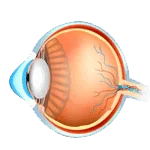
Keratoconus weakens the cornea so it bulges into a cone, usually starting in the teenage years. Glasses keep failing because the surface itself is irregular. The modern strategy is two-pronged: corneal collagen cross-linking (C3R) strengthens the cornea to stop progression, while vision is rehabilitated with specialty contact lenses; advanced cases may need ring segments or corneal transplantation. The single most important factor is timing — cross-linking preserves the vision you have, so early diagnosis through corneal topography is everything.

Your journey

How treatment works, step by step

  1. Topography diagnosisCorneal mapping detects and grades the cone — even before symptoms.
  2. Progression assessmentSerial scans confirm whether the cornea is still steepening.
  3. Cross-linking (C3R)A one-time UV–riboflavin procedure stiffens the cornea and halts progression.
  4. Vision rehabilitationSpecialty lens fitting (RGP/scleral) for crisp vision on an irregular cornea.
  5. Lifetime monitoringAnnual topography guards against late progression.
Why NeoVision

What sets this care apart

Early-detection topography

Cone caught before vision is lost is a cone defeated.

C3R cross-linking

The proven procedure that stops keratoconus progression.

Full care pathway

From lenses to transplant — every stage covered.

Common questions

Frequently asked questions

Can keratoconus be cured?

It can be stopped. Cross-linking (C3R) halts progression in the vast majority of eyes; vision is then optimised with specialty lenses. Earlier treatment preserves more vision.

Who should be screened for keratoconus?

Teenagers and young adults whose cylindrical power keeps rising, anyone with a family history, and all LASIK candidates (topography screening is mandatory before LASIK).

Is C3R cross-linking painful?

The procedure is done under numbing drops; expect discomfort, watering and light sensitivity for a few days while the surface heals — manageable with medication.

Will I still need glasses or lenses after C3R?

Usually yes — C3R stops the disease but doesn't erase existing irregularity. Specialty contact lenses typically give the sharpest vision.

Concerned about keratoconus treatment? Let's look together.

Book a consultation with Dr. Shruti Kochar Maru at NeoVision Eye Hospital, New Palasia — rated 5.0 from 125 Google reviews.

Book an appointment   WhatsApp 081052 26536
NeoVision Eye Hospital & Laser Centre · 2nd Floor, Labh Ganga, 582, Mahatma Gandhi Rd, opp. Bansi Trade Centre, near Indraprasth Square, New Palasia, Indore, Madhya Pradesh 452001 · Get directions →
Book on WhatsApp